

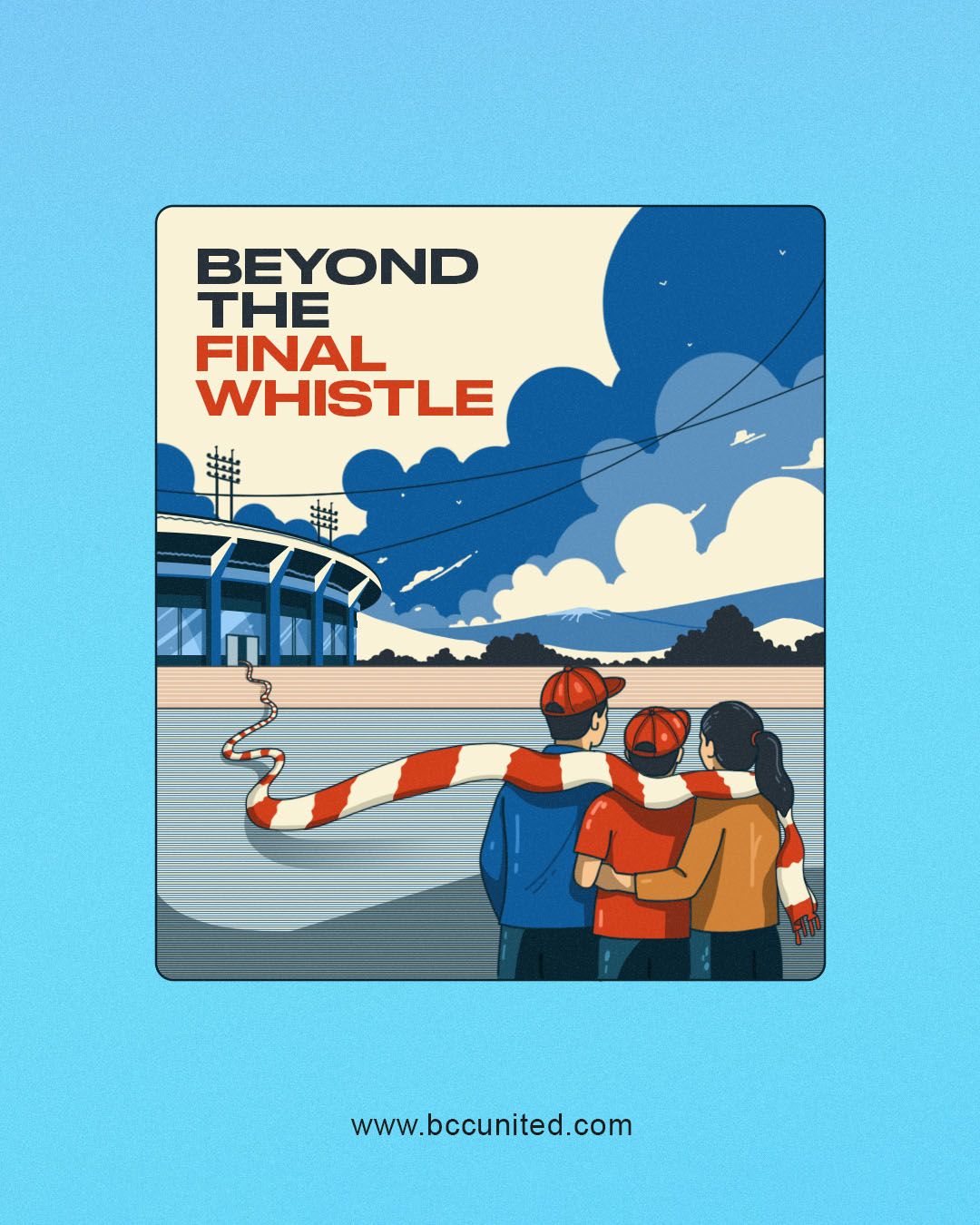
Sports franchises possess something most brands work hard to earn: passionate audiences with a shared identity. Match days concentrate that passion through competition, broadcasts, sponsorships and digital conversations. Yet attention during a fixture does not necessarily translate into a lasting relationship with supporters.
For franchises that organise marketing primarily around tournaments and promotional cycles, engagement can weaken between major events. Even during competitive seasons, strong reach and social-media activity may reveal little about whether fans feel genuinely connected. That matters when loyalty must endure disappointing results, fixture breaks or changes in players.
Supporters now experience sport through athlete personalities, behind-the-scenes stories, digital communities and cultural conversations as well as live competition, reshaping Sports Marketing. Franchises must preserve match-day excitement while treating supporters as communities to engage year-round, not audiences to reach periodically.
From Audience Reach to Meaningful Fan Relationships
A dramatic victory or intense rivalry can generate enormous attention. However, broadcast exposure, match-day campaigns, impressions and follower counts measure visibility more readily than loyalty. Meaningful Fan Engagement develops when supporters participate, feel recognised and identify with the sporting community.
That connection is rooted in shared traditions, local identity, collective memories and emotional attachment. During competition, franchises can strengthen it through interactive match-day activities, supporter recognition, player access and two-way communication. Between fixtures and seasons, community programmes, grassroots initiatives, fan gatherings, club heritage and franchise developments sustain participation.
Digital communities can extend these experiences to supporters who rarely attend matches, while membership programmes and direct communication help franchises understand audience interests. Sophisticated infrastructure is not essential, however: a regional club may achieve more through local events and supporter groups, while an international franchise may benefit from structured digital experiences.
McLaren Racing Club illustrates how direct relationships can extend beyond attendance. Its free-to-join digital hub offers behind-the-scenes content, exclusive competitions and events to fans worldwide, many of whom may never attend a race. The lesson is not that every franchise needs a platform, but that engagement works when supporters receive experiences they value.
Building these relationships requires understanding what matters to fans, not communication frequency. Original sporting content can then express a franchise’s identity and give supporters more reasons to follow its journey.
From Routine Social Content to Original Sports Storytelling
Fixture announcements, score graphics and sponsor posts remain useful, but rarely distinguish one franchise from another. A purposeful Content Strategy draws on the people, experiences and cultural identity that make a sporting organisation distinctive.
Repetitive templates and generic imagery weaken that distinction, particularly when AI-generated visuals replace authentic sporting moments. AI can support production, but it cannot substitute for the genuine experiences that give sporting stories their character.
Training-ground access, player journeys, rivalries, supporter traditions, sporting history and community experiences provide the material. Through original photography, interviews, sporting footage, short-form video and recurring editorial series, franchises can reveal what match results alone cannot.
Relevance and originality matter more than production scale. A recurring series following emerging players, for example, can build familiarity across a season without documentary-level investment, while consistent visual identity, editorial direction and recognisable formats provide continuity. This reflects a wider shift towards franchises developing media identities, without every organisation becoming an entertainment company.
Formula 1’s Drive to Survive shows how storytelling can introduce sport to wider audiences. By exploring driver personalities, team dynamics and behind-the-scenes pressures, the series broadened the sport’s appeal without changing its competitive core. Its scale is exceptional, but the principle is transferable: original stories make sporting personalities more accessible.
This is where Sports Branding, PR, Content Strategy and Digital Marketing play complementary roles. Branding establishes identity, content expresses it through authentic experiences, PR extends credible narratives and digital channels distribute stories while enabling interaction, creating a coherent identity rather than disconnected promotion.
Sporting performance remains fundamental; storytelling provides context around the victories, setbacks, personalities and traditions that shape a franchise’s character. A distinctive identity also gives commercial partners a clearer understanding of the community they seek to engage.
From Match-Day Visibility to Sustained Commercial Engagement
Broadcasting, ticketing, venue branding, tournament-led promotions and match-day sponsorship remain central to the sports business, offering concentrated exposure partners rightly value. Sustained supporter relationships can complement it through relevant experiences and partnerships beyond individual fixtures.
Original content, merchandise, community initiatives and branded experiences can give partners additional ways to participate, but more sponsorship placements do not necessarily create commercial value. Effective partnerships connect with supporter interests and franchise identity; a youth-development initiative or original sporting series may engage more meaningfully than added visibility.
Wrexham AFC provides a useful illustration. Welcome to Wrexham has brought the club’s journey, supporters and community to international audiences. According to BBC Sport’s analysis of its 2024–25 accounts, turnover reached £33.3 million, with sponsorship up 31.5% to £17.3 million and 57.7% of turnover from outside the UK and Europe, a share believed to owe much to the series.
Its growth also reflects ownership, sporting progress, a US pre-season tour and wider business initiatives, so the documentary is not the sole driver. Despite record turnover, losses reached £14.85 million, which the BBC notes include promotion bonuses and a one-off write-off. The example shows how a compelling identity can support commercial opportunity, and why revenue growth must be distinguished from profitability.
For franchise leadership, measurement matters. Participation and recurring engagement show whether supporters are involved, content performance shows audience interest, and sponsorship activation shows how effectively partners engage them. These indicators evidence activity, not commercial returns, which require sponsorship income, merchandise sales, ticketing revenue and other financial measures.
An integrated Sports Marketing approach links these measures to defined objectives. Neither engagement nor content volume automatically produces loyalty, sponsorship revenue or franchise value. The aim is not to monetise every interaction, but to build partnerships and experiences that stay relevant to supporters while serving commercial priorities.
Why BCC-United?
Effective Sports Marketing requires more than coordinating match-day campaigns, social-media content and seasonal promotions. Sporting organisations must connect franchise identity, supporter behaviour, competitive calendars and commercial objectives, so each activity contributes to a shared direction rather than operating independently.
BCC-United approaches this through three connected capabilities.
Sports Brand Development: Establishing positioning, identity and communication through cultural relevance, distinctive branding and emotional connection, giving the franchise a consistent foundation.
Fan Engagement and Content Strategy: Translating that identity into original sporting narratives, supporter experiences, community participation and digital interactions, during competition and throughout the calendar.
Commercial and Partnership Marketing: Connecting identity and supporter relationships with sponsorship activation, integrated campaigns and partner experiences, measured against business priorities.
Each builds on the last: identity directs engagement, and engagement gives partnerships relevance. Branding, PR, Content Strategy and Digital Marketing support this through coordinated communication, credible storytelling, audience interaction and campaign execution.
The objective is not to replace sporting performance with marketing, but to strengthen the relationships surrounding it. A franchise’s long-term relevance depends not only on sporting performance or match-day visibility, but on the identity, relationships and experiences it builds with supporters year-round. That is the shift from event-driven marketing to sustained fan engagement: match-day excitement remains central and becomes the starting point for relationships and commercial opportunities beyond the final whistle.