
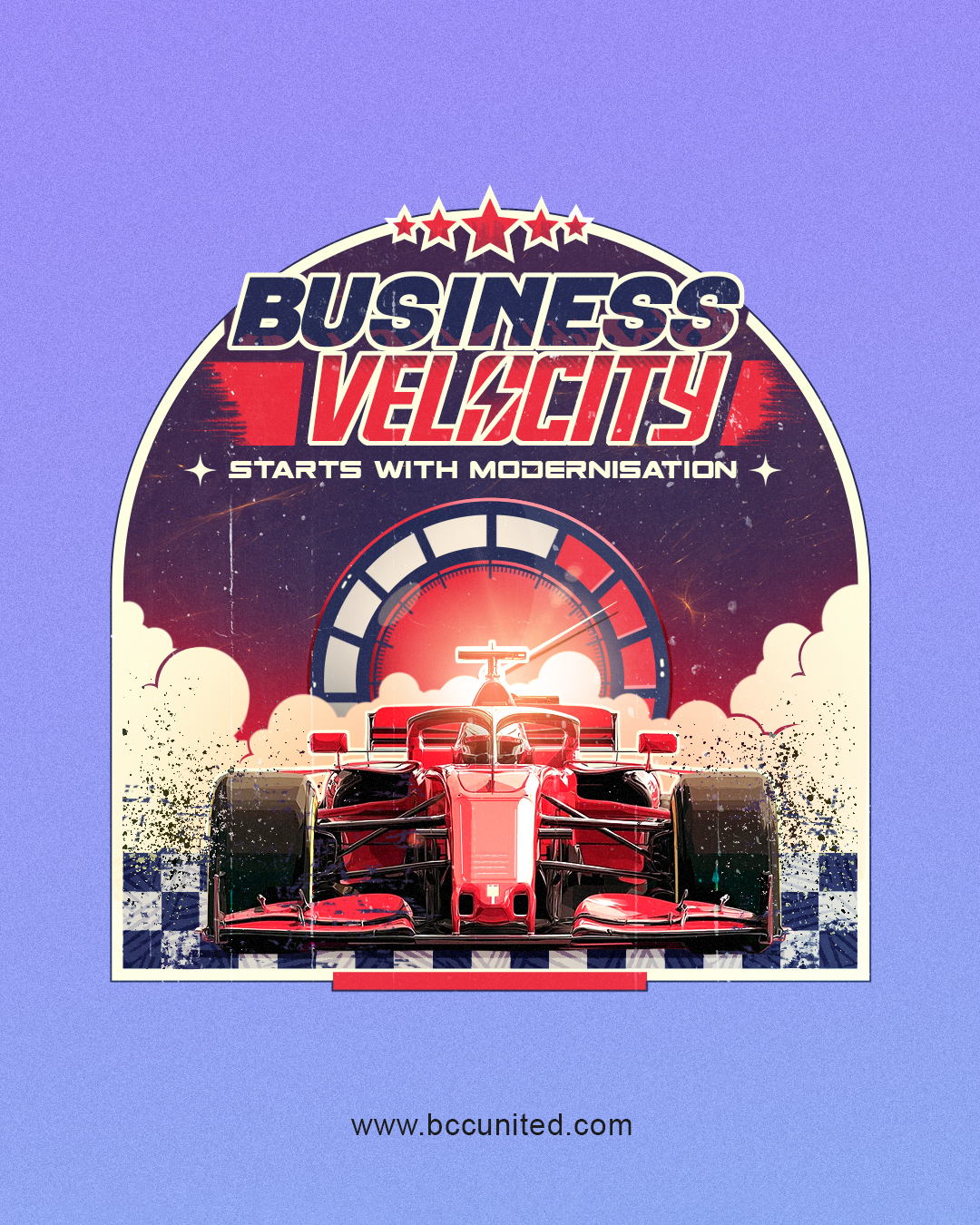
Modernisation has become a business priority as enterprise growth increasingly depends on how quickly organisations can respond to change. Markets evolve rapidly, customer expectations continue to rise, and competitive advantage is increasingly shaped by execution speed.
Many organisations, however, still rely on legacy systems originally designed for stability and predictability instead of adaptability. While these environments may continue to support day-to-day operations, they often slow decision-making, delay execution, and reduce responsiveness when change is required.
What begins as a technology limitation gradually becomes a broader business constraint. Delayed implementation cycles, fragmented processes, and rising complexity can all affect the ability to move quickly and compete effectively.
This shift is why modernisation is no longer viewed as a future consideration. It has become essential for organisations seeking stronger agility, faster execution, and sustainable growth.
How Legacy Systems Reduce Business Velocity
Business velocity depends on how effectively organisations can respond to opportunities, market changes, and evolving customer expectations. Legacy systems often create barriers that slow responsiveness and make growth harder to sustain.
Rigid Structures and Limited Adaptability
Many older environments were built during a period when business change happened gradually. As organisations expand and priorities evolve, these systems can struggle to support new requirements efficiently.
The result is reduced flexibility. Launching initiatives, improving customer experiences, or adapting internal processes can take significantly longer than expected. In fast-moving markets, these delays can quickly become a competitive disadvantage.
Slow Processes and Delayed Execution
Businesses operating on legacy systems often develop layers of dependencies and manual processes that slow implementation and decision-making over time.
Even relatively small changes may require extensive coordination across teams, extending timelines and delaying outcomes. This affects business velocity by reducing the ability to act quickly when opportunities emerge.
Slower execution can lead to delayed launches, slower customer response times, and missed opportunities while competitors move ahead faster.
Resources Shift Away from Growth
As systems age, organisations frequently dedicate increasing amounts of time, budget, and attention towards maintaining existing environments.
When resources are focused on sustaining outdated operations, fewer remain available for innovation, expansion, and strategic priorities. Over time, this imbalance can restrict growth and weaken agility.
The impact of legacy systems therefore extends beyond technology alone. It directly influences how effectively organisations can adapt, compete, and sustain momentum.
The Growing Cost of Delaying Modernisation
The consequences of delaying modernisation are rarely immediate. Instead, limitations build gradually over time, increasing friction and reducing an organisation’s ability to respond effectively to change.
Rising Operational Costs
Older environments often require continuous maintenance, workarounds, and ongoing support simply to maintain acceptable performance.
While short-term fixes may keep operations running, they rarely improve long-term capability. Eventually, organisations can find themselves investing more in preserving outdated environments than pursuing growth opportunities or strategic improvements.
As maintenance demands increase, delaying modernisation becomes increasingly difficult to justify.
Increased Risk and Reduced Confidence
Legacy systems can also create broader business risks that affect reliability, continuity, and stakeholder confidence.
As complexity increases, organisations may become more vulnerable to service disruptions, delayed decision-making, and inconsistent performance. These issues can affect both internal operations and external perceptions of the business.
In highly competitive markets, reliability and responsiveness play an important role in maintaining customer trust and commercial confidence.
Slower Decision Velocity
Legacy environments often create fragmented access to information, making it harder for leaders to obtain timely operational insight. As reporting cycles lengthen and visibility declines, decision-making slows, reducing an organisation’s ability to respond quickly to changing business conditions.
When organisations cannot evaluate information efficiently, opportunities take longer to assess, priorities become harder to align, and execution loses momentum.
Missed Opportunities and Slower Response Times
Perhaps the greatest impact of delaying change is reduced responsiveness.
Businesses constrained by legacy systems often struggle to move quickly when new opportunities arise. Longer implementation cycles, slower approvals, and delayed execution can all reduce competitiveness.
While markets evolve, organisations operating with limited agility may find it increasingly difficult to keep pace.
Over time, delays compound, responsiveness declines, and growth becomes harder to sustain.
A Practical Approach to Modernisation
Transformation can appear disruptive or high-risk. In practice, however, progress is often most effective when approached as a structured journey rather than a single large-scale initiative.
Phased Transformation
Breaking change into manageable stages allows organisations to strengthen capabilities progressively while maintaining continuity across day-to-day operations.
Each phase introduces measurable improvements without creating unnecessary disruption. This approach reduces uncertainty, builds confidence, and supports stronger business velocity over time.
Strengthening Existing Investments
Modernisation does not always require organisations to replace everything at once.
Businesses achieve meaningful progress by improving existing environments in ways that increase efficiency, visibility, and responsiveness. Strengthening current capabilities can create a practical path towards long-term improvement while preserving continuity.
This allows them to evolve strategically without compromising stability.
Balancing Progress with Stability
Successful transformation balances advancement with reliability.
Employees, customers, and stakeholders still expect consistency throughout periods of change. A phased approach introduces improvements gradually while maintaining the stability required for daily operations.
When approached strategically, modernisation becomes an enabler of adaptability and growth rather than a source of disruption.
Sustaining Business Velocity Over Time
Improving systems and processes is not a one-time achievement. Business priorities, customer expectations, and competitive pressures continue to evolve, requiring organisations to adapt continuously. Maintaining business velocity therefore depends on ensuring operational capabilities remain aligned with changing business demands.
Continuous Improvement and Visibility
Regular assessment helps organisations identify inefficiencies before they begin affecting performance or slowing execution.
By maintaining visibility into how systems support broader objectives, businesses can make informed improvements that preserve agility and responsiveness over time. This proactive approach helps prevent future bottlenecks from emerging.
Building Long-Term Adaptability
Sustainable growth depends on maintaining the flexibility to respond to changing priorities without introducing unnecessary disruption.
Organisations that support ongoing modernisation are better positioned to respond confidently to evolving customer expectations, regulatory requirements, and emerging market opportunities.
Supporting Growth Without Disruption
Long-term success requires balancing innovation with operational stability.
Continuous refinement strengthens organisational capabilities while preserving the consistency required for day-to-day performance. This balance enables organisations to maintain momentum, support expansion, and sustain business velocity over time.
As business demands continue to evolve, organisations need environments that grow with them rather than constrain future progress.
Why BCC-United?
At BCC-United, modernisation is approached as a controlled business evolution rather than a technology replacement exercise. The objective is not simply to update systems, but to remove the barriers that slow execution, reduce responsiveness, and limit growth.
Our approach combines phased transformation, governance, and continuous oversight to ensure change remains aligned with business priorities at every stage. By introducing improvements progressively, organisations gain the benefits of modernisation while maintaining operational continuity, visibility, and control.
We focus on clarity, stability, and long-term value, ensuring modernisation strengthens business agility without creating unnecessary disruption. As organisations continue to prioritise business velocity, BCC-United helps transform legacy environments into adaptable foundations that support faster decisions, stronger execution, and long term business growth—proving that business velocity starts with modernisation.