

Cybersecurity strategy plays a defining role in how businesses operate, scale, and build trust in today’s connected landscape. From infrastructure to user behaviour, every layer offers opportunities to strengthen security and protect business value.
With sophisticated threats becoming more targeted, modern businesses require proactive cybersecurity strategies. IBM’s 2023 report shows the global average cost of data breaches in 2024: a 10% increase over last year. The average total cost jumped to USD 4.88 million, up from USD 4.45 million in 2023.
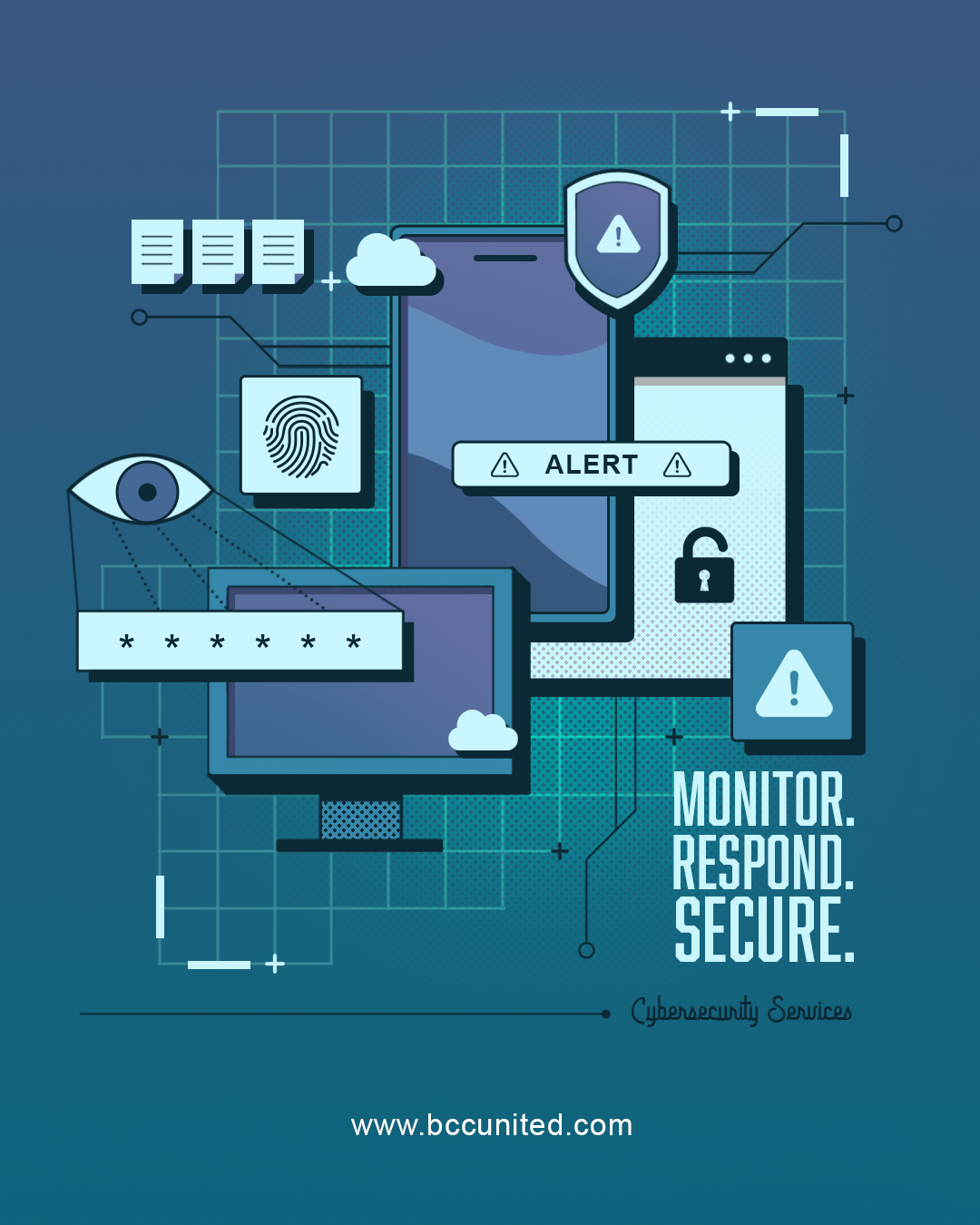
This rising risk landscape calls for a cybersecurity strategy built on continuous visibility and rapid response. By monitoring in real time, responding with clarity, and securing systems across every layer, businesses can stay resilient. A strong cybersecurity foundation powers confident, uninterrupted growth in an increasingly connected world.
As breach costs climb, security can no longer be an afterthought. Businesses now gain resilience through layered system design—where applications, cloud workloads, and infrastructure work in unison to guard against evolving threats.
Secure Architecture Across Every Layer
A successful cybersecurity strategy relies on layered defence. It ensures threats are mitigated across cloud workloads, infrastructure, and applications—not just at a single-entry point. This integrated architecture builds trust in digital operations.
- Secure Application Development Practices: Embedding security within the development lifecycle ensures fewer gaps at deployment. Secure coding, regular penetration testing, and dynamic threat modelling—adapted to your app’s scale—fortify access points and proactively eliminate vulnerabilities before they reach production.
- Cloud Security Strategy for Scalable Workloads: Cloud-native environments demand purpose-built defence. Through workload segmentation, data-level encryption, and hardened platform configurations, businesses can contain breaches, maintain compliance, and enable safe scalability without slowing down cloud agility or workload elasticity.
- Scalable Infrastructure Security Frameworks: Modern infrastructure security spans physical servers to virtual networks. By combining layered firewalls, endpoint detection, access governance, and behavioural monitoring, organisations gain comprehensive protection that adapts to hybrid environments without compromising performance or uptime.
Case Study: As published by Akamai, a financial services provider suffered a ransomware attack soon after shifting to remote work during COVID-19. The breach entered through a vulnerable VDI link, targeting Oracle Cloud. Rapid deployment of Akamai Guardicore Segmentation across 3,000+ connections contained the threat, enabling swift recovery and enhanced long-term security posture.
But even the most secure architecture needs direction. When cybersecurity is reinforced with clear governance and aligned with business priorities, it transforms from reactive defence into a forward-looking growth enabler.
Cyber Governance That Aligns with Business Goals
Cybersecurity governance goes beyond enforcing policies—it’s about aligning cybersecurity with leadership intent, regulatory frameworks, and cultural reinforcement. When strategy and governance go hand in hand, security becomes measurable, repeatable, and a catalyst for sustainable growth.
- Turning Compliance into Strategic Business Value: Security frameworks like ISO 27001 and NIST do more than ensure compliance—they drive business value when aligned with operational goals, helping organisations build trust, enhance resilience, and differentiate competitively.
- Leadership-Driven Cyber Risk Accountability: Cybersecurity gains traction when owned at the top. When leaders define roles, track metrics, and champion accountability, security culture cascades across teams with clarity and commitment.
- Embedding a Security-First Workplace Culture: Awareness alone isn’t enough. Security needs to be integrated into onboarding, day-to-day workflows, and communication. Regular simulations and campaigns ensure security practices are not just taught but lived daily.
Case Study: As per Securious’ case study, Deazy embedded ISO 27001 early through the Securious Academy, aligning cloud-based operations with robust security. Tailored templates, internal training, and leadership buy-in enabled smooth implementation. When client demands emerged, Deazy was audit-ready—ensuring compliance, reducing risk, and strengthening credibility without disruption to their scaling remote-first business.
But protection alone isn’t enough. In today’s dynamic threat environment, businesses also need real-time visibility and rapid response frameworks to stay resilient in the face of unpredictable attacks.
Real-Time Defence with Smart Response Frameworks
Real-time cybersecurity response enables businesses to stay ahead of evolving threats by combining smart threat detection, structured incident handling, and seamless recovery protocols. This helps maintain continuity, reduce downtime, and protect stakeholder confidence at every stage.
- Real-Time Threat Visibility and Alerts: Integrated dashboards and detection tools provide real-time alerts. Security teams can instantly spot threats and respond rapidly. This prevents business disruption, limits data loss, and improves overall cybersecurity posture.
- Incident Management Through Response Playbooks: Playbooks offer clear guidance during chaotic incidents. They define roles and escalation steps for consistent and quick response. Teams learn from incidents through structured reviews and improving processes over time.
- Seamless Recovery With Business Continuity Plans: Continuity plans reduce disruption by prioritising critical systems. They help teams recover quickly and resume operations with minimal impact. This protects customer experience and ensures stable, ongoing business performance.
When businesses detect, respond, and recover with confidence, security empowers growth and drives business forward.
Why Choose BCC-United?
In today’s connected business environment, cybersecurity must operate seamlessly—across development pipelines, cloud workloads, and enterprise infrastructure. It functions as a sustained, evolving commitment that actively protects and powers your growth.
At BCC-United, we bring this mindset to every engagement. Our approach combines 24/7 monitoring, incident readiness, and secure architecture implementation, all guided by globally accepted frameworks like CISSP, CEH, and ISO 27001. From securing lines of code to ensuring leadership has the right visibility, we help organisations stay resilient and confidently forward-looking—every step of the way.
Build Security That Enables Growth
Cybersecurity strategy delivers the most impact when it proactively evolves—mitigating risk before it disrupts business continuity. It’s not just about resolving breaches; it’s about embedding security that powers consistent, future-ready operations. At BCC-United, we build integrated security frameworks that protect development environments, cloud workloads, and core infrastructure—while enabling agility and innovation. From day-to-day operations to long-term scalability, our expertise helps organisations stay ahead of risks without slowing down momentum.
We empower you to monitor continuously, respond decisively, and secure digital systems with precision — so growth happens on a strong, secure foundation. To explore a cybersecurity approach tailored to your business goals, get in touch with us. Our experts are ready to support your next stage of secure, strategic growth.